

Tumblin' Dublin
By pressing play, you agree that you are above legal age in your jurisdiction and that your jurisdiction allows online gambling.

Tumblin' Dublin
RTP96.31%
VolatilityHigh
Max winx6,000
Ways3,125
Hit rate29%
ThemeSt. Patrick's Day
ReleasedOct 2023
Live game stats
Real RTP76.75%
Spins295
Players2
Biggest win$15.73

Chasing Wilds Through Dublin’s Waterfalls
Symbols explode across a 5×5 board as multiplier wilds linger and cash spheres build toward Hold ‘n’ Link.
Tumblin’ Dublin is a Netgame slot with 96.34% RTP, 3,125 fixed ways, and chained dropdown wins. Its feature-rich play rewards close attention to retained wilds, while demo mode lets you learn the rhythm before risking funds. My 100-spin test at $1.00 per spin lost 66.7× the stake, peaked at 9.80×, and triggered neither main bonus.
Key takeaways
Tumblin’ Dublin combines a large ways board, repeated drops, and two separate bonus routes. These points separate confirmed rules from what I actually observed:
- Core play: A 5×5 grid creates 3,125 ways, with wins connecting across adjacent reels from the left.
- RTP: The theoretical return is 96.34% for standard play.
- Best bonus: Hold ‘n’ Link combines respin resets, cash spheres, and giant-sphere absorption.
- Test basis: I used standard $1.00 play-money spins and didn’t purchase the Get Bonus option.
- Risk note: My 100 spins lost 66.7× the stake without triggering free spins or Hold ‘n’ Link.
After your SatoshiHero login, you can open the Tumblin Dublin slot in demo or real-play mode. I think demo play makes sense first because you can study the moving board without exposing your balance.

Table of Contents
- How Tumblin’ Dublin Works and Pays
- High and low symbols
- Special symbols
- Dropdown Wins and Chained Results
- Theme and First Impressions
- Persisting Multiplier Wilds
- Base-game behaviour
- Free-spin behaviour
- Hold ‘n’ Link Respins
- Giant sphere effect
- Free Spins and Extra Drops
- Get Bonus Menu
- Tumblin’ Dublin RTP and Session Results
- Simulator projection
- My 100-spin session
- Frequently Asked Questions About Tumblin’ Dublin
- Final Word
How Tumblin’ Dublin Works and Pays
Wins use 3,125 fixed ways across five reels and five rows, not paylines. You need matching symbols from the left across adjacent reels, while 3,125 counts possible symbol combinations rather than drawn routes. Every award uses a multiple of your total stake, so the paytable remains readable on supported screen sizes.
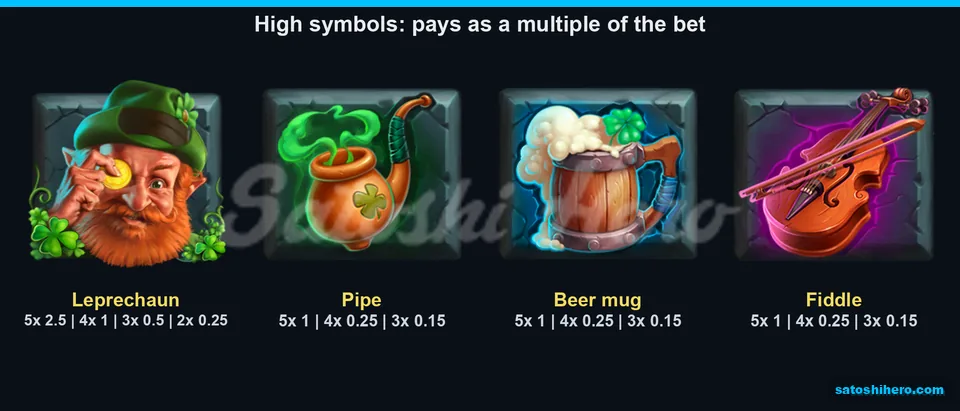
The leprechaun ranks highest and starts paying with two matching symbols. Two pay 0.25×, three pay 0.5×, four pay 1×, and five pay 2.5×. I find that low ceiling underwhelming for a premium symbol, although its two-symbol award creates more frequent small contributions.
High and low symbols
The pipe, beer mug, and fiddle each pay 0.15× for three, 0.25× for four, and 1× for five. Blue, red, green, and pink gems share values with the yellow triangle. Those five low symbols pay 0.05× for three, 0.10× for four, and 0.15× for five.
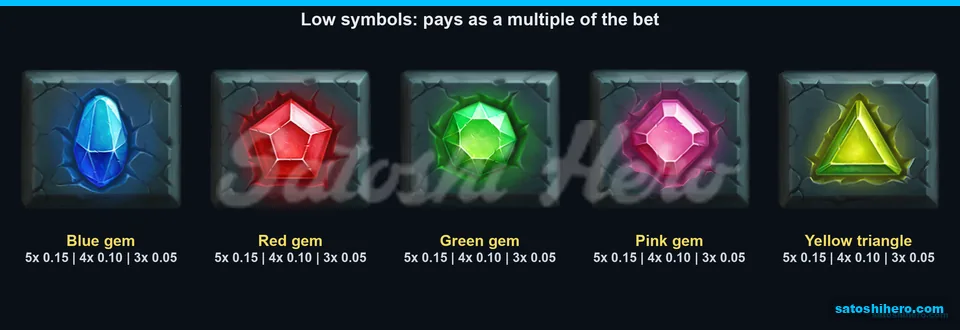
Several wins in my log matched these values and used the total bet as their base. You should still check the completed dropdown total, since several small combinations can merge into one displayed result. The clear presentation helps, but tiny gem awards can look busier than their value warrants.
Special symbols
Wilds replace every regular symbol except scatters and cash spheres. They only appear on reels two through five, which keeps the leftmost reel important for starting a connection. A standard wild can also gain a multiplier after joining a win, giving you a reason to track its exact position.
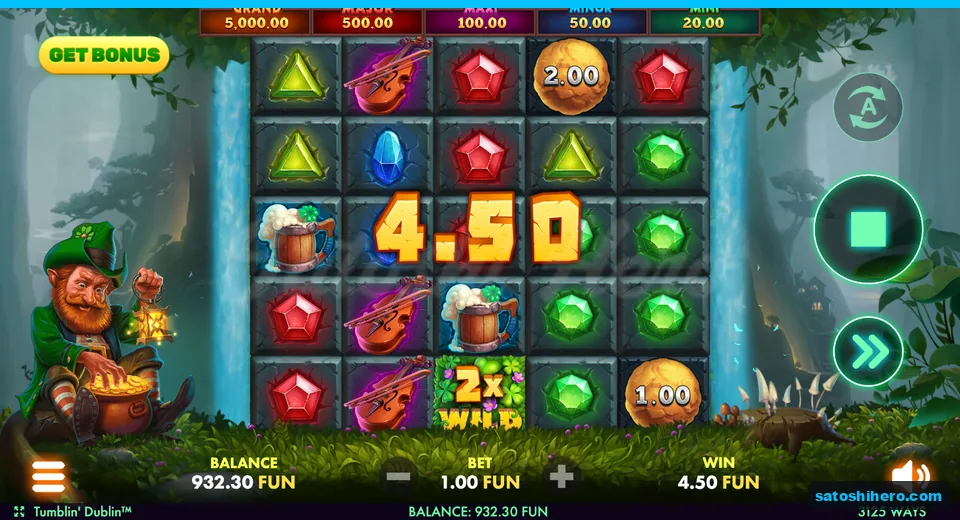
The logo scatter starts free spins, while gold cash spheres build the Hold ‘n’ Link trigger. I recorded a $4.50 return on a $1.00 stake with two cash spheres and a 2× wild visible during the sequence. You can interpret that result through adjacent-reel combinations, listed values, and any active wild multiplier.

Metric: The 3,125 figure counts fixed ways across the 5×5 board. It doesn’t mean the game has 3,125 paylines.
Dropdown Wins and Chained Results
Each winning combination removes its symbols, fills the spaces, and checks the refreshed board again. Winning symbols explode first, then replacements fall into each gap. Every fresh combination pays before another drop starts, and the chain ends when the new board contains no win.
All payouts from that sequence join the original spin’s total. You shouldn’t count each refill as another paid spin, even when the animation creates several distinct stages. I like the clear round total, but the repeated motion can make a modest return feel larger than it is.
Small gem combinations appeared regularly across my 100 spins. Some rounds gained extra movement from another low-value match, yet those extensions often added little money. The trade-off is obvious: dropdowns create suspense and extra chances, but many chains finish with a fairly ordinary result.
My $4.50 return provides a useful example. Symbols kept falling around two cash spheres and a 2× wild, although the full chain still paid only 4.50 times my $1.00 stake. That sequence looked lively without becoming a major hit.
Judge the final total rather than the number of explosions. If you focus on completed value, you won’t mistake screen activity for a strong payout. In my view, dropdowns improve the pace more than the average result, which is still a worthwhile design choice.
Theme and First Impressions
A moss-covered 5×5 board between twin waterfalls forms the visual centre. A bearded leprechaun guards his pot of gold beside the reels, while a forest and stone frame complete the fantasy setting. You get familiar Irish imagery, but the moving water makes it livelier than a static pub-themed slot.
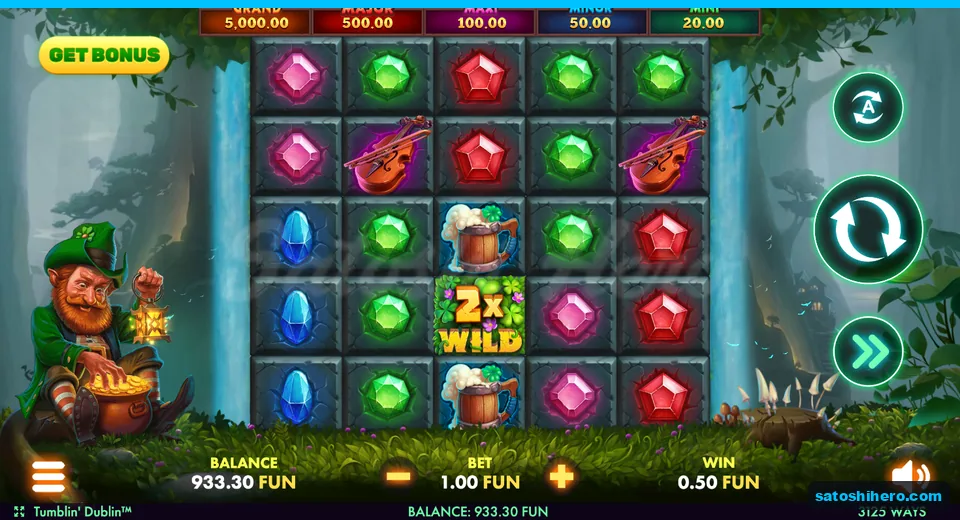
The symbol set mixes a pipe, beer mug, and fiddle with bright gems and a yellow triangle. Exploding matches and falling replacements keep the middle of the screen active, while the sound effects support each drop without becoming memorable. I think the presentation looks clean, though the leprechaun concept won’t surprise anyone.
Journey to the West offers another folklore-led presentation when you prefer mythic characters and a stronger storybook mood. That comparison concerns atmosphere only, since this game’s waterfalls and woodland framing create their own softer look. If visual theme guides your choice, try both presentations before settling on one.
A jackpot strip sits above the board and displays the five Hold ‘n’ Link tiers. It adds anticipation without indicating how often any award appears. You should treat the strip as feature information, not a promise that a jackpot is close.

Footnote: The pipe, fiddle, and beer mug draw from Irish pub and folk-music imagery. The waterfalls shift that familiar theme into a fantasy forest.
Overall, the concept feels conventional, while the animated board stays crisp and energetic. You get a familiar character wrapped around a much more active tumbling layout.
Persisting Multiplier Wilds
A wild used in a win can stay through the next drop instead of exploding with other symbols. In base play, it remains in position, changes to 2×, and can contribute to one more winning combination. It disappears after that second successful use, so you need a new adjacent-reel match around the same position.
Base-game behaviour
Watch the retained wild against the refreshed reels rather than celebrating its first use alone. A multiplier has no value unless replacements form another valid connection from the left. I saw occasional 2× wilds stretch chains, but they didn’t stop my balance from sliding across the test.
That tension gives the mechanic real purpose. On one hand, a surviving wild can lift a weak follow-up combination. The trade-off is that many refreshed boards don’t connect around it, leaving the upgrade visually promising but financially quiet.

Recommendation: Watch whether the wild survives the opening drop. Its position on the refreshed board can matter more than the first combination’s value.
Free-spin behaviour
During free spins, a participating wild can survive through as many as three winning combinations. It becomes 2× after its first use, upgrades to 4× after the second, and explodes after the third. You gain more upside from a long dropdown chain because the same position can support repeated wins.
I didn’t trigger free spins, so I can’t attach a firsthand payout to that stronger sequence. To be fair, the rule still creates the clearest reason to want extra drops during the bonus. You should view the 4× stage as possible leverage, not an expected event.
Hot To Burn Multiplier offers a more direct multiplier-led identity if you prefer the modifier to dominate the theme. Here, the wild asks you to follow board position and chain development instead. I find that interaction more engaging, although it also produces more near-miss frustration.
Repeated drops create the best opportunity for a retained wild to matter. Your strongest chains need both survival and fresh adjacent-reel connections, not merely a multiplier icon.
Hold ‘n’ Link Respins
Eight or more cash spheres trigger a three-respin hold-and-collect round on the 5×5 board. The triggering spheres fall to the bottom and remain held, while only ordinary and giant cash spheres appear afterward. Each new sphere resets the counter to three, giving you more attempts without promising another arrival.
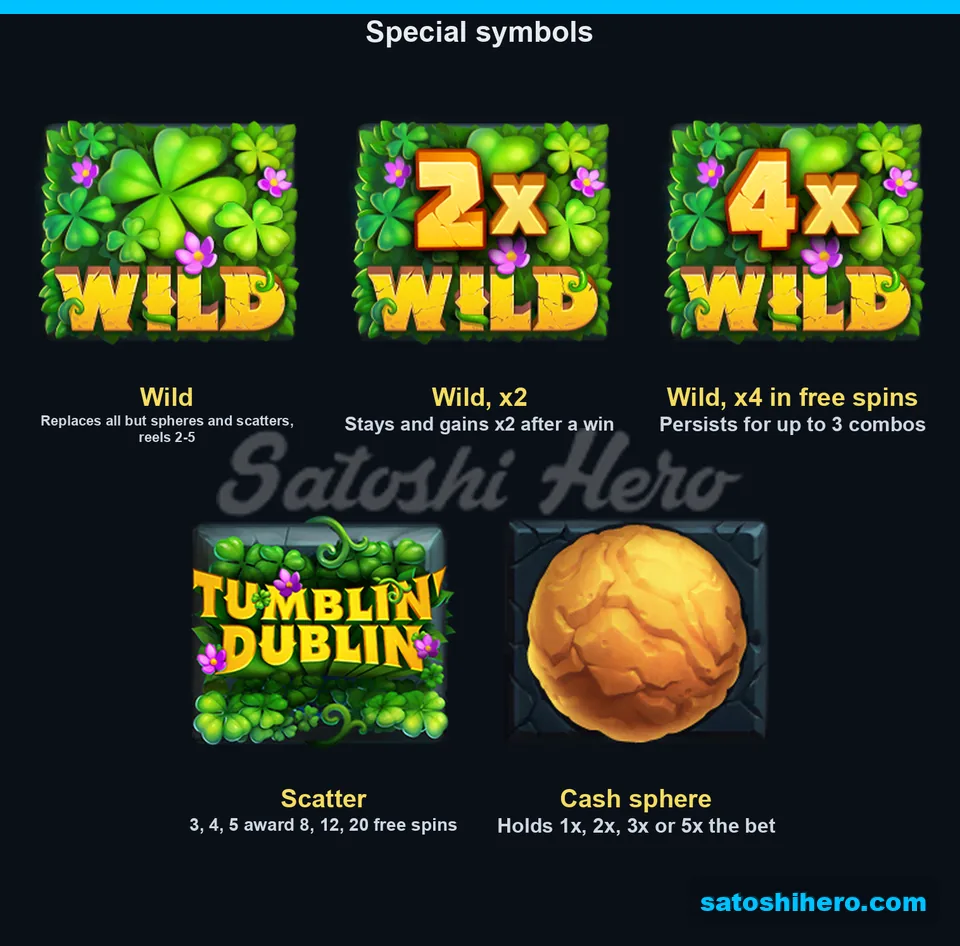
The round ends when the counter reaches zero or every position fills. Ordinary cash spheres carry 1×, 2×, 3×, or 5× your stake. Every remaining sphere pays when the feature finishes, so both the number of symbols and their printed values matter.
Giant sphere effect
A giant sphere destroys smaller spheres below it and absorbs their accumulated values. It can also carry one named feature award: Mini at 20×, Minor at 50×, Maxi at 100×, Major at 500×, or Grand at 5,000×. That 5,000× figure describes the Grand feature award rather than an overall game cap.
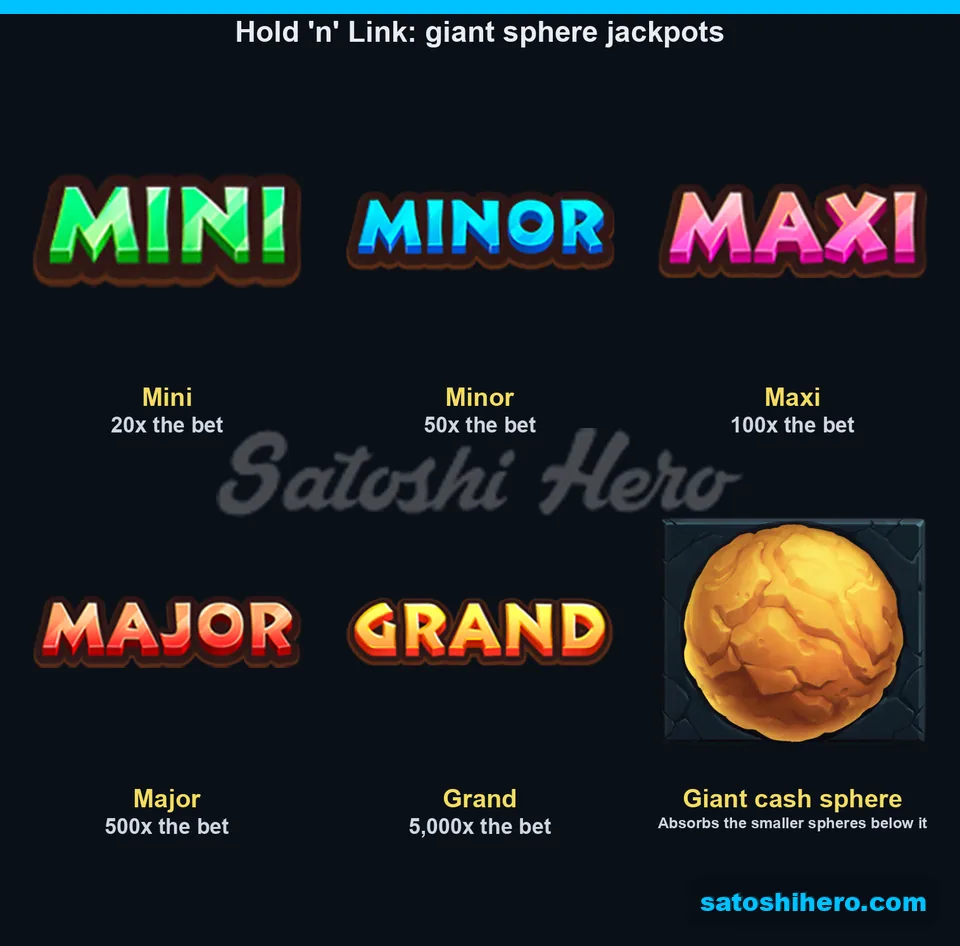
You should watch how much value sits beneath a giant sphere because its placement changes the collection. I like the absorption idea, as it gives the board more structure than a simple symbol count. Still, a reset only extends the round and doesn’t ensure the next sphere appears.
Hold ‘n’ Link never triggered during my documented 100 spins. Cash spheres appeared in base play, but they didn’t reach the required eight-symbol threshold. You shouldn’t treat that short sample as a trigger estimate, since another session can develop very differently.
Hot to Burn Extreme provides a sharper classic-slot mood when you want simpler visual stakes instead of a collection grid. This feature asks for more board reading, especially once held values and giant-sphere placement interact. In my opinion, that layered design is appealing, though I couldn’t judge its real payout feel from my session.
Respins gain value through resets, held spheres, and possible absorption. You still need disciplined expectations because a longer round can finish with modest values.
Free Spins and Extra Drops
Three or more logo scatters start free spins, where multiplier wilds can survive through additional winning combinations. Three scatters award 8 spins, four award 12, and five award 20. A +1 symbol adds one extra spin, while the round closes when the remaining-spin counter reaches zero.
The stronger retained wild forms the main enhancement. It can rise from 2× to 4× across repeated wins before exploding after its third contribution. You should follow both retained positions and the spin counter, since a long chain can matter more than one impressive opening board.
No free-spin round triggered during my 100 standard spins. That left me without a firsthand bonus return, trigger interval, or average payout to report. I don’t like judging an unseen bonus from rules alone, so the honest conclusion is limited to its confirmed mechanics.
The absent trigger shows how a short session can stay inside base play. It doesn’t predict your next 100 spins or establish a feature frequency. My balance instead moved through small gem wins and occasional wild extensions.
Hot to Burn – 7 Deadly Free Spins puts its bonus identity front and centre if free-spin variety drives your choice. This round uses a narrower hook built around longer-lasting wilds and extra drops. I prefer the positional logic here, but bonus-focused readers could find a feature-free sample frustrating.
Free spins contain the strongest wild mechanic. You need a trigger to assess its payout feel, and my test never supplied one.
Tumblin’ Dublin RTP and Session Results
The theoretical RTP is 96.34%, while my 100-spin test finished 66.7× the stake down. Those figures describe different things: one sets the game’s mathematical return, and the other records a short play-money sample. You should use the test for practical context, not as a forecast.
Simulator projection
The SatoshiHero Slot Simulator modelled 1,000 spins at $1.00 using the stated return setting. Its median ending result sat 65.4× the stake down. The fifth-to-95th-percentile range stretched from 318.5× down to 366.7× up, showing how sharply equal-sized samples can separate.
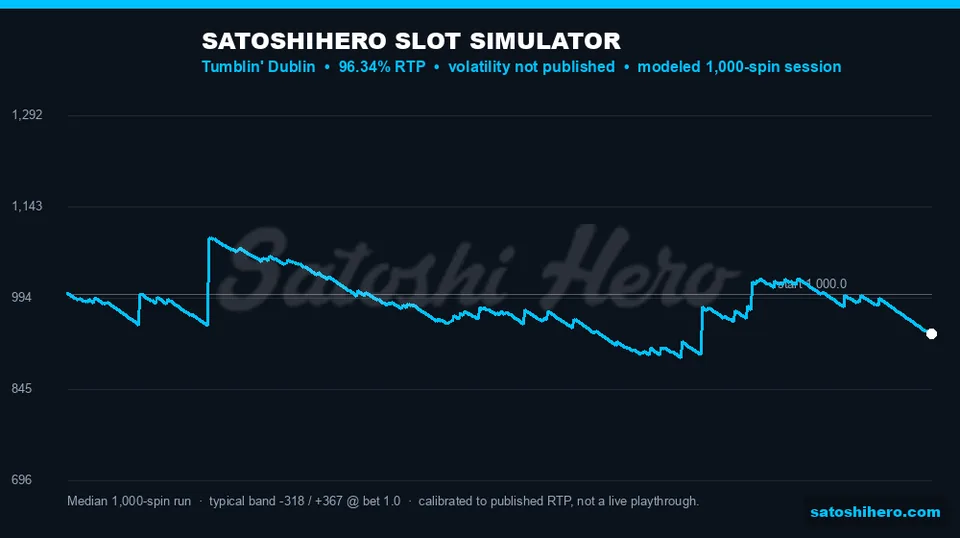
The model produced a win on about 18% of spins and reached a feature tier roughly once every 45 spins. It generated a 100×-or-better outcome roughly once every 1,748 spins. These frequencies describe the projection rather than a schedule you can use to time bets.
That broad percentile band matters more than the median alone. Two players can use the same $1.00 stake and finish far apart after the same spin count. I find the range useful because it exposes uncertainty instead of hiding it behind one average.
My 100-spin session
I played 100 spins at $1.00 with play money, starting at $1,000 and finishing at $933.30. My net result was a $66.70 loss, equal to 66.7× the bet. Twenty-two spins returned something, and my largest single-spin result reached $9.80, or 9.80×.
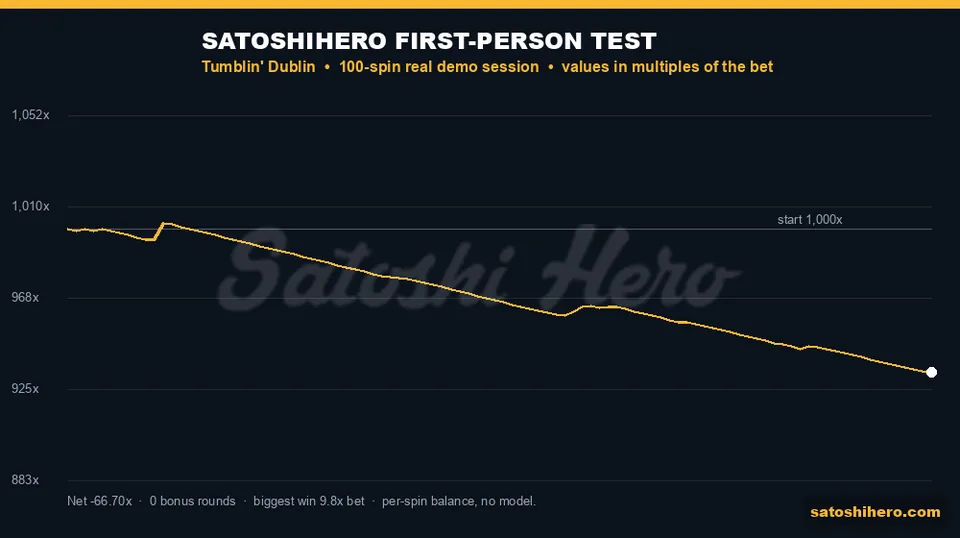
The balance declined through many small gem wins and occasional 2× wild extensions. Neither free spins nor Hold ‘n’ Link triggered, and cash sphere drops never reversed the overall slide. I found the session visually active but financially flat, which is exactly why completed totals matter.
Another 100-spin sample could look materially different. You shouldn’t assume that 22 paying spins or zero bonuses defines your likely experience. The live result supplies a truthful session record, not a stable hit-rate estimate.

Caveat: The theoretical return doesn’t prevent a short, bonus-free session from producing a substantial loss. Set your stake so a similar run remains inside your planned budget.
The theoretical RTP comes from the operator’s published setting, while one live session doesn’t alter that setting. The simulator supplies projections rather than actual-spin records, and any displayed purchase-mode percentages represent their own settings. Rules, interface details, and test presentation are checked regularly when verified information changes.
Frequently Asked Questions About Tumblin’ Dublin
What does Tumblin’ Dublin pay for its top symbol?
The leprechaun pays 2.5× for five, 1× for four, 0.5× for three, and 0.25× for two. The pipe, beer mug, and fiddle each pay 1× for five. You should read every amount as a multiple of your total stake.
How do free spins start in Tumblin’ Dublin?
Three, four, or five scatters award 8, 12, or 20 free spins. Wilds can persist through three winning combinations, upgrading to 2× and then 4×. A +1 symbol can add another spin, so you should track both wild positions and the remaining counter.
How does the Tumblin’ Dublin Hold ‘n’ Link bonus work?
Eight or more cash spheres start the feature with three respins. New spheres reset the counter, while giant spheres absorb smaller spheres below them and can carry awards from 20× to 5,000×. You collect every remaining sphere value when the round ends.
What happened during the 100-spin Tumblin’ Dublin test?
I played at $1.00 per spin and moved from $1,000 to $933.30, losing $66.70. Twenty-two spins paid, my largest return was $9.80, and neither main bonus triggered. You should treat that outcome as one short session rather than a prediction.
What did the Tumblin’ Dublin simulator project?
The 1,000-spin model at $1.00 produced a median finish 65.4× down. Its fifth-to-95th-percentile range ran from 318.5× down to 366.7× up. That wide span shows why you can’t infer one likely personal balance from the median.
What is the RTP of Tumblin’ Dublin?
The slot’s theoretical RTP is 96.34%. This percentage describes its mathematical return setting rather than your expected result from one session. My 100-spin loss provides a clear example of short-run divergence.
Where can I try the dropdowns without real funds?
SatoshiHero provides demo play alongside real-play mode. Use the demo to inspect retained wilds, sphere symbols, and completed chain totals before risking money. I think that step is especially useful because repeated drops can make small returns seem more dramatic.
Final Word
Tumblin’ Dublin stands out through retained wilds, chained drops, and two bonus routes. Its main drawback was simple: neither feature appeared, leaving the lively board to mask a steady loss. You get better mechanics than the familiar theme suggests.

My Verdict
Start in demo mode and judge full chain totals rather than screen activity. Choose standard play for positional wilds and several feature routes, but expect some sessions to remain bonus-free.
I like how surviving wilds give each dropdown a clear focus. I don’t like how small wins created motion without repairing my $66.70 loss. My 9.80× best hit felt modest across 100 spins.
Use the Tumblin’ Dublin demo to test its rhythm and controls. You can then set a stake that keeps a feature-free sample manageable.

Pros:
 Active dropdowns: Repeated symbol falls keep each paid spin visually engaging.
- Position-based wilds: Retained multipliers reward careful attention to refreshed reel connections.
- Two bonus routes: Scatters and cash spheres create distinct trigger goals.
- Clear paytable: Shared low-symbol values make results easier to verify.

Cons:
 Small base awards: Frequent gem combinations can add little to your balance.
- Feature-free stretches: My 100-spin session reached neither main bonus.
- Busy presentation: Several drops can make modest totals feel deceptively important.

Best For: Demo-first players who enjoy tumbling boards, retained multipliers, and layered bonus symbols should find plenty to track. You need patience for sessions where attractive mechanics never progress into a feature.

































































Bets
All Bets
Game
Player
Date
Wager
Mult.Multiplier
Prize
 Galaxy Glitter
 blazecraft
- 10:48:42
- 0×
- Royal Fruits 9: Hold 'n' Link
 Hidden
- 10:48:42
- 0×
- Egypt Fortunes: Bingo Bounty
- mdp0fxo
- 10:48:42
- 0×
- Amazing Diamonds: Hold 'N' Link
 nina87
- 10:48:41
- 1×
- Almighty Diamonds: Hold 'N' Link
- novaone948
- 10:48:40
- 0×
- Egypt Fortunes: Bingo Bounty
- mdp0fxo
- 10:48:39
- 2.4×
- Mr. Crystalman: Hold 'N' Link
 Hidden
- 10:48:39
- 0.3×
- Luck of Panda: Bonus Combo
 Hidden
- 10:48:38
- 1×
- Mr. Crystalman: Hold 'N' Link
- Hidden
- 10:48:38
- 0.1×
- Luck of Panda: Bonus Combo
- josh1998
- 10:48:37
- 0×